


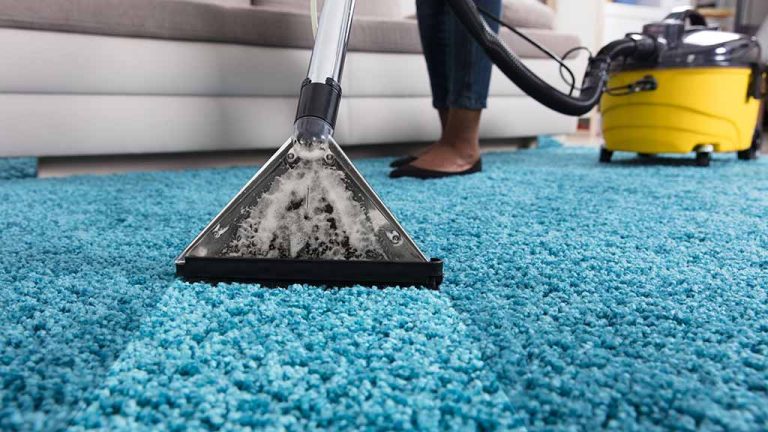
In today’s fast-paced world, maintaining a clean and healthy environment is more important than ever. Cleaning products play a vital role in our daily lives, helping us to sanitize our homes, workplaces, and public spaces. From multi-surface cleaners to laundry detergents, the variety of products available can make it overwhelming for consumers to choose the right ones for their needs. Furthermore, with the growing emphasis on sustainability and health, understanding the ingredients and environmental impact of these products has never been more critical.
This article aims to explore the different types of cleaning products on the market, including their benefits, potential drawbacks, and eco-friendly alternatives. We will delve into the science behind these products, examine their effectiveness against common household germs, and provide tips for safe usage and storage. Whether you are a cleaning novice or a seasoned pro, this comprehensive guide will equip you with the knowledge you need to make informed choices for a cleaner, safer home.
Types of Cleaning Products
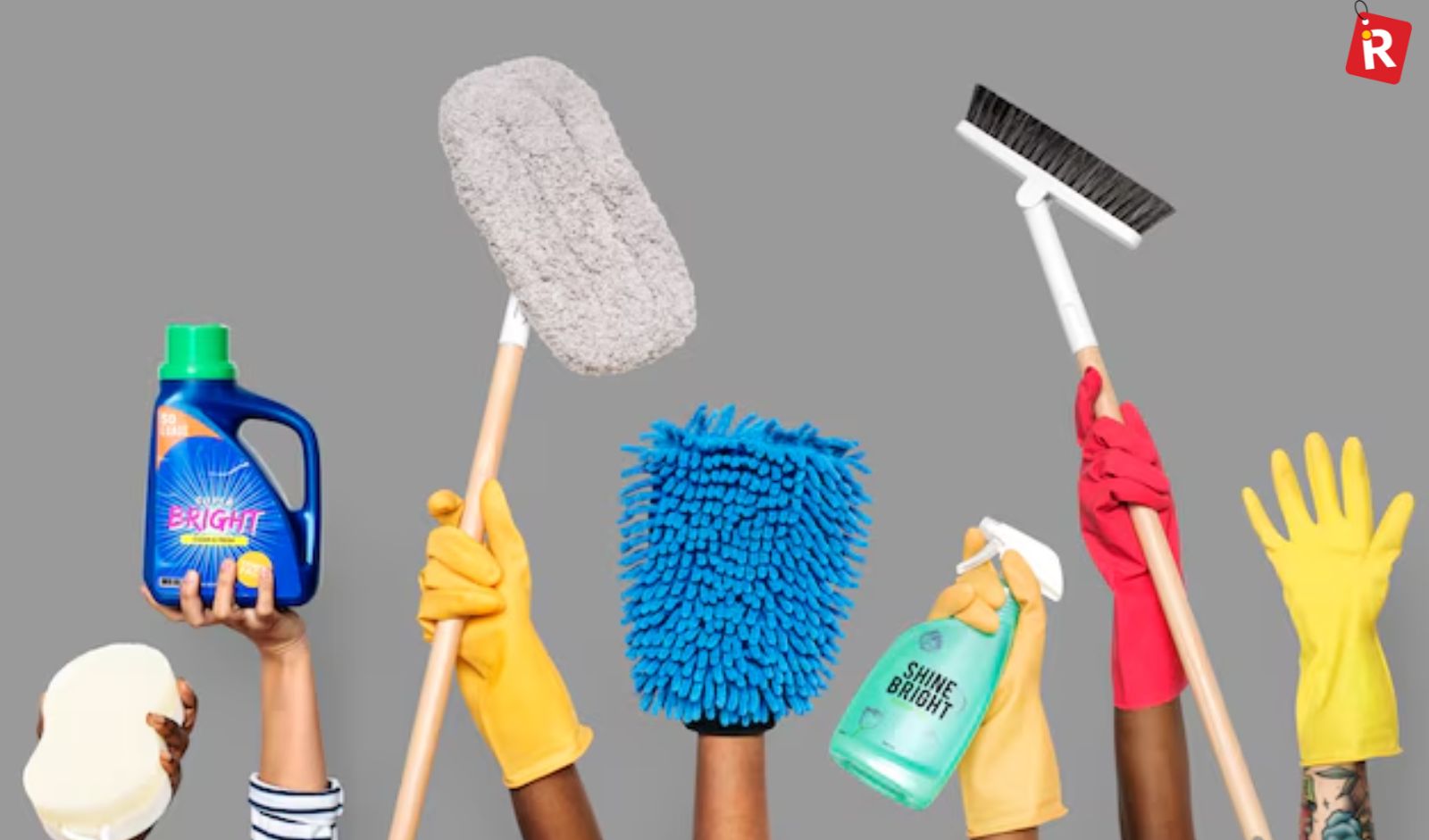
Cleaning products can be broadly categorized into several types, each designed for specific tasks and surfaces. All-purpose cleaners are popular for their versatility, suitable for a variety of surfaces from countertops to floors. For tougher jobs, specialized products such as bathroom cleaners, kitchen degreasers, and glass cleaners are formulated to tackle specific challenges effectively. Moreover, consumers are increasingly seeking eco-friendly options that utilize natural ingredients and minimal packaging, meeting both health and environmental standards. To explore a wide range of options, you can Buy Cleaning Products In Australia that align with your cleaning needs.
Understanding Ingredients and Safety
Navigating the ingredients list of cleaning products can be daunting, as many contain chemicals that might pose health risks or environmental hazards. Common components include surfactants, which help break down dirt, and disinfectants that kill bacteria and viruses. It’s crucial to research these ingredients, particularly if you have allergies or sensitivities. Moreover, proper usage and storage are essential for safety; always follow manufacturer guidelines, keep products out of reach of children, and consider using gloves and masks during cleaning tasks to protect yourself from fumes or skin irritation. By being informed, you can make safe and responsible choices for a healthier home environment.
As we conclude our exploration of cleaning products, it’s clear that making informed choices can significantly impact both our living spaces and the environment. With the wide range of products available, understanding their formulations and intended uses empowers consumers to select options that align with their values and needs. The shift towards eco-friendly alternatives not only benefits personal health but also contributes to the well-being of the planet, encouraging a more sustainable future. By prioritizing safety and being conscientious about the products we choose, we can maintain a clean home while also fostering a healthier world for generations to come. Ultimately, taking the time to educate ourselves about cleaning products is a small yet meaningful step towards achieving a cleaner, safer, and more sustainable lifestyle.
About the Author
